Buying a townhome or condo in Ashland can feel like a smart way to break into the East Bay market, but the monthly payment is only part of the story. You are not just buying a home. You are also buying into a homeowners association, shared rules, and a specific ownership structure that can shape your costs and day-to-day experience. If you want to know what to watch for before you make an offer, this guide will help you focus on the details that matter most. Let’s dive in.
Why Ashland Appeals to Condo Buyers
Ashland sits in unincorporated Alameda County between San Leandro and Hayward, with access to I-580, I-880, and SR-238. That location can be a draw if you want East Bay access without targeting a detached home in a higher-priced part of the county. It also means county planning, road, and parking rules are part of the ownership picture.
Ashland also has a meaningful multifamily housing presence, which makes attached homes a natural part of the local market. Census and county housing data show a mix of single-family homes and a substantial number of units in 2 to 4, 5 to 19, and 20+ unit buildings. For buyers, that means condos and townhomes are not an afterthought here. They are an established housing option.
The market remains competitive. June 2026 data showed a median listing price of $736,750, a median sold price of $749,000, 19 homes for sale, 59 median days on market, and homes selling at about 105% of asking price. In a county where the broader median listing price is around $900,000, attached homes can offer a lower entry point for budget-conscious buyers.
What a Condo or Townhome Really Means
In California, the legal structure matters more than the label on the listing. In a common interest development, the association generally handles common areas, while you are responsible for your separate interest and any exclusive-use common area connected to your home. That can include details buyers often overlook at first.
For example, one property may look low-maintenance on paper, but the governing documents could place more repair responsibility on the owner than expected. Another may include broader exterior maintenance through the HOA. The key is to read the CC&Rs and maintenance provisions carefully before you commit.
Pay close attention to who repairs:
- Roofs
- Exterior walls
- Balconies or patios
- Yards or exclusive-use outdoor spaces
- Shared plumbing or mechanical systems
- Driveways or private access areas
A townhome or condo can reduce some maintenance burden compared with a detached house, but it does not remove it. You want to know exactly where the HOA’s responsibility ends and yours begins.
Budget for the Full Monthly Cost
It is easy to focus on the mortgage payment and stop there. With a condo or townhome, that can lead to an incomplete picture of affordability. California homebuyer guidance points buyers toward the full cost of ownership, including HOA dues, utilities, taxes, and possible renovations.
That means your real monthly payment is more than principal and interest. You should also compare the HOA fee against what it actually covers. A higher due amount may still make sense if it offsets costs you would otherwise pay separately.
Ask for a simple breakdown that helps you compare value:
- HOA dues
- Property taxes
- Utilities not included by the HOA
- Insurance responsibilities for the owner
- Any known repair or upgrade costs after closing
- Pending regular or special assessments
This step matters in Ashland because price-sensitive buyers often look at condos and townhomes to keep the entry point manageable. A unit with a lower list price but weak reserves or likely assessments may cost more over time than a better-run community with slightly higher dues.
Review HOA Documents Carefully
When you buy a resale home in a common interest development, California law requires the seller to provide governing documents before transfer. The annual budget report must include a pro forma operating budget, a summary of reserves, and a summary of the association’s insurance policies. Those documents can tell you a lot about the health of the HOA.
This is one of the most important parts of condo and townhome due diligence. You are not just evaluating the unit. You are evaluating how the community is run and whether the financial setup supports long-term upkeep.
Focus on these questions as you review the package:
- Are the reserves healthy?
- Has the HOA approved any regular or special assessments that are not yet due?
- Does the insurance summary look adequate?
- Are dues rising quickly?
- Are there rental caps, pet restrictions, or renovation approval rules?
- Do the rules fit how you plan to use the home?
Reserve studies are especially useful because they estimate the long-term cost of repairing or replacing major common-area components like roofs and pavement. If the community has major future expenses but limited reserves, your risk of higher costs may increase.
New Construction Needs Extra Review
If you are considering a newly built condo or townhome project in Ashland, there is another layer to review. The California Department of Real Estate public-report process is designed to give buyers key information before they become obligated to purchase.
That report can cover:
- CC&Rs
- Costs and assessments
- Utilities
- Roads
- Soil and geologic conditions
- Title
- Zoning
- Use restrictions
- Hazards
- Financial arrangements to complete the subdivision
In an unincorporated area like Ashland, that report can be especially important. If you are looking at new construction, ask early whether the DRE public report has been issued and make time to read it carefully.
Parking Can Make or Break Daily Life
Parking deserves extra attention in Ashland. Alameda County planning materials for the Ashland and Cherryland area include parking standards for placement, driveway width, and curb-cut spacing. County parking study data also found on-street occupancy in the study area generally ranged from 59% to 68%.
Near Bayfair BART, weekday occupancy was higher at about 57% to 59%, which suggests commuter spillover can affect nearby residential parking conditions. If a listing mentions convenient access to transit, that may be a plus for mobility, but it can also make parking rules and space assignments more important.
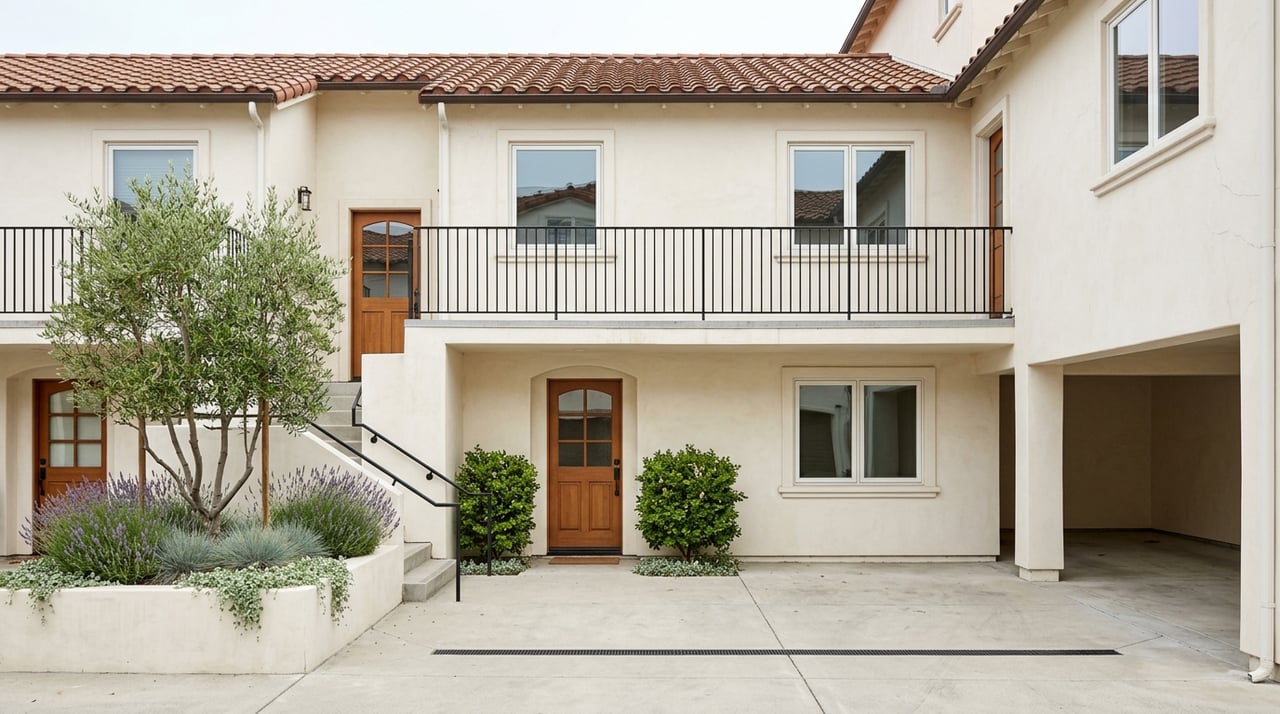
Before you buy, verify exactly what comes with the unit:
- Number of parking spaces
- Whether spaces are deeded or assigned
- Whether parking is tandem
- Guest parking rules
- Street parking realities nearby
- Storage tied to parking areas, if any
Do not assume two-car parking just because a listing photo shows two vehicles. Ask for the exact legal and practical setup so you know how the property will work for your household.
Compare Amenities to HOA Dues
Amenities can be helpful, but only if they support your budget and lifestyle. A pool, clubhouse, landscaped grounds, trash service, exterior maintenance, or added insurance coverage may justify the dues. The goal is to understand whether the monthly fee is giving you real value.
This is where a side-by-side comparison can help. Instead of asking whether dues feel high or low, ask what you are getting in return and what costs you may avoid because of it.
| Item | Why It Matters |
|---|---|
| Exterior maintenance | May reduce surprise repair responsibilities |
| Insurance coverage | Can affect what owner coverage you still need |
| Trash or common utilities | May lower separate monthly bills |
| Pool or clubhouse | Useful only if you expect to use them |
| Landscaping | Saves time and upkeep on shared grounds |
| Storage | Can add practical value in a smaller home |
A smaller home with efficient shared services can be a strong fit if you want a simpler ownership experience. You just want to make sure the dues line up with actual benefits.
Ask About Future Development
Ashland is still evolving, so future development should be part of your decision. Alameda County’s housing-element sites inventory mentions large redevelopment opportunities in the Ashland area, including the Bay Fair BART station parking lot and nearby parcels. That means future construction and traffic changes may affect your experience over time.
This does not automatically make a property more or less appealing. It simply means you should ask informed questions during due diligence. Nearby redevelopment can shape traffic flow, parking demand, construction timelines, and the feel of the immediate area.
Good questions to ask include:
- Are there known development plans near the community?
- Could nearby projects affect parking or traffic patterns?
- Is the HOA discussing any changes tied to surrounding redevelopment?
- Are there planned improvements or disruptions that could affect daily use?
The more you understand now, the fewer surprises you are likely to face after closing.
A Smart Buyer Checklist for Ashland
If you want a simple way to stay organized, focus on the points that most often affect condo and townhome value in Ashland. These are the details that can change both your monthly cost and your long-term satisfaction.
Use this checklist as you compare properties:
- Confirm what the HOA covers and what it does not
- Review reserves, insurance summaries, and assessment history
- Check for approved but not yet due assessments or fees
- Verify parking type, number of spaces, and guest rules
- Read pet, rental, and renovation restrictions
- Review maintenance responsibilities in the CC&Rs
- Ask about future development near the property
- For new construction, confirm the DRE public report has been issued
- Calculate the true monthly ownership cost, not just the mortgage
A well-priced unit is only a good deal if the full ownership picture works for you. Taking a little more time upfront can help you avoid expensive surprises later.
If you are weighing condos or townhomes in Ashland, the right guidance can make the process much clearer. From comparing monthly costs to reviewing HOA documents and financing options, E3 Realty can help you move forward with more confidence.
FAQs
What should you review in HOA documents for an Ashland condo or townhome?
- You should review the CC&Rs, annual budget report, reserve summary, insurance summary, and any approved or pending regular or special assessments.
How do HOA fees affect the true cost of buying in Ashland?
- HOA fees add to your monthly housing cost, so you should evaluate them alongside your mortgage, taxes, utilities, insurance needs, and any likely future assessments.
Why does parking matter so much for Ashland condo and townhome buyers?
- Parking matters because local conditions can be tight in parts of the area, especially near transit-adjacent corridors, so you should verify whether spaces are deeded, assigned, tandem, or guest-only.
What is important for Ashland new construction condo buyers to confirm?
- If you are buying new construction, confirm that the California DRE public report has been issued and review it for costs, restrictions, utilities, hazards, zoning, and subdivision completion details.
Are condos and townhomes a practical option for budget-conscious buyers in Ashland?
- They can be, because attached homes may offer a lower entry point than detached homes in a high-cost county, but you still need to review HOA costs and ownership responsibilities carefully.