Looking for a walkable East Bay neighborhood where you can leave the car at home? Central Berkeley gives you historic homes, strong transit, and lively culture all within a few blocks. If you want a quick read on prices, housing types, local rules, and daily life, this guide is for you. You’ll also see practical buyer tips that help you write a confident offer. Let’s dive in.
Where Central Berkeley sits
“Central Berkeley” usually refers to the flatlands around Downtown Berkeley, centered on Shattuck, University, and the blocks between Martin Luther King Jr. Way, Sacramento, Dwight, and Hearst. Boundaries vary by source, so think of it as the core flats west of the UC Berkeley campus rather than a strict zoning label. Local guides often group this area with the “Berkeley Flats” or the Downtown corridor. For a neighborhood overview of location and housing, review this concise Central Berkeley profile.
Home types and character
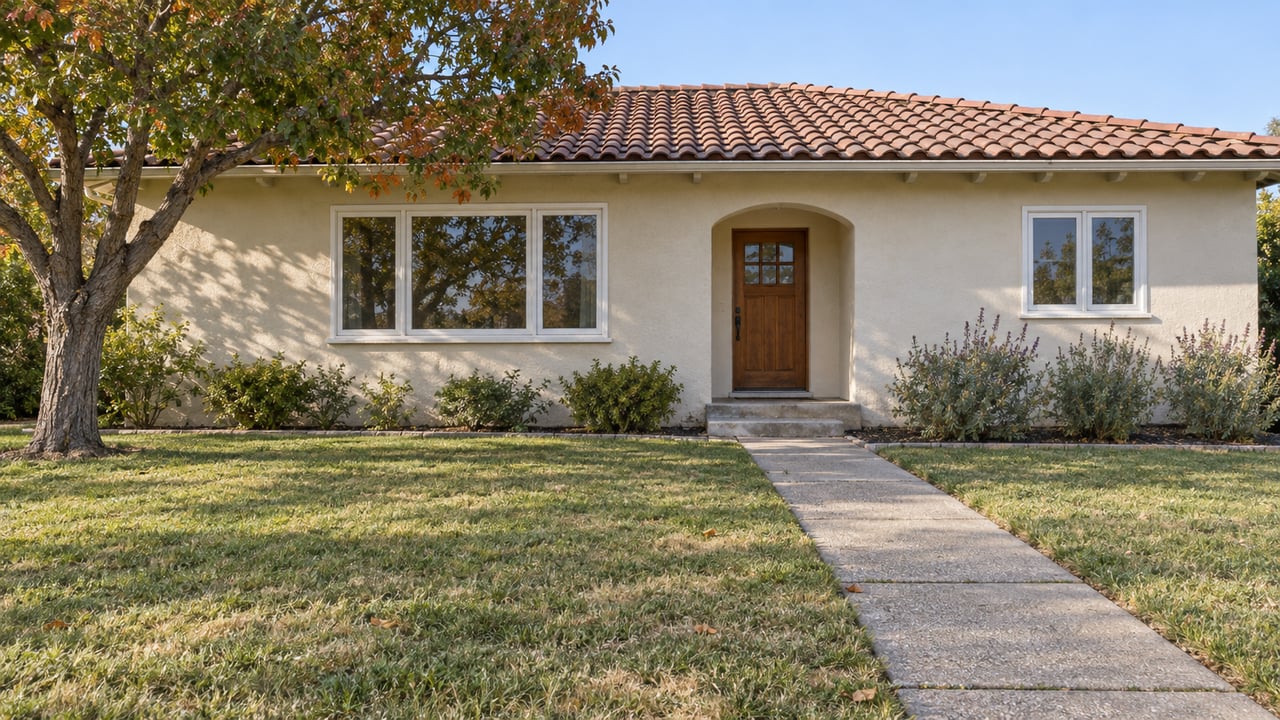
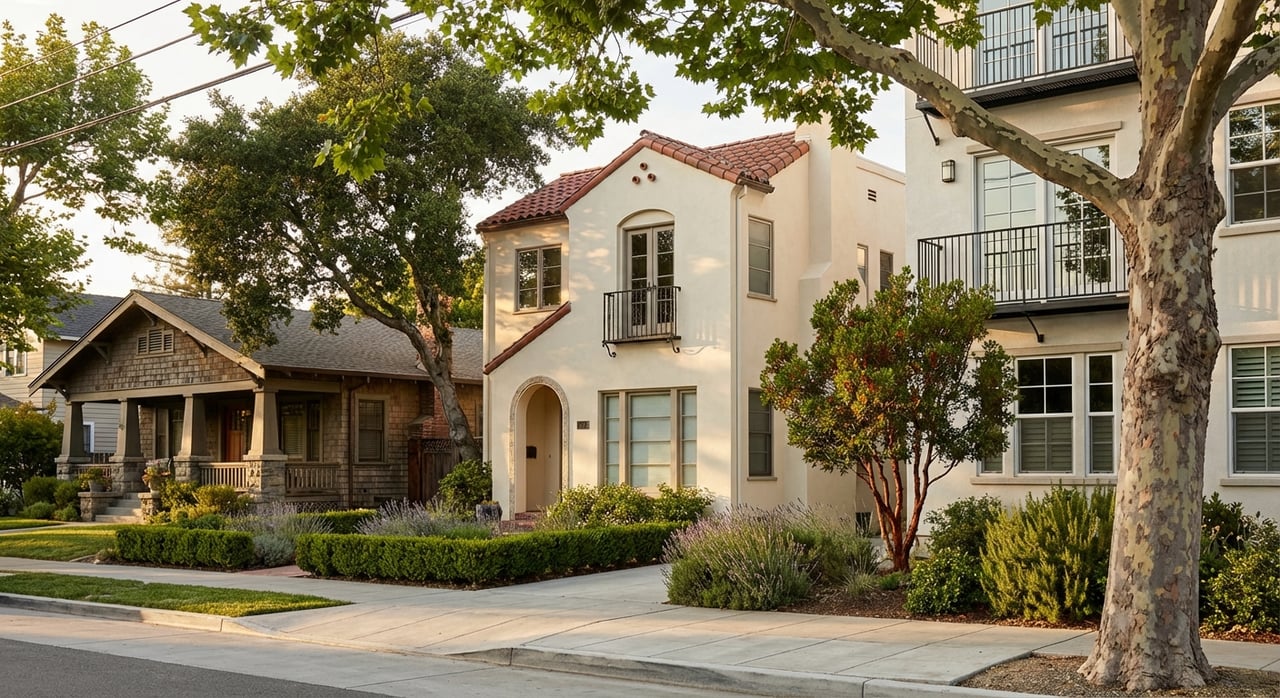
You’ll find many early 1900s Craftsman bungalows, Edwardian cottages, and classic flats with porches, built‑ins, and hardwood floors. Condition ranges from preserved period detail to fully updated remodels. Small multifamily buildings and low‑rise condos cluster near Shattuck and University, with newer infill sprinkled in. The area’s flatter blocks and smaller lots often prompt owners to explore ADU potential.
Price bands at a glance
- Entry condos and studios near downtown or BART often fall from the mid‑$400k into the high‑$800k range, depending on building, floor, and parking.
- Smaller single‑family homes and updated cottages with 2 to 3 bedrooms commonly range about $900k to $1.6M.
- Larger or fully renovated Craftsman homes often start near $1.6M and can exceed $2M in standout cases.
- Small multifamily, typically 2 to 4 units, varies widely by size and rent‑control status, often around $1.2M to $3M or more.
As context, Zillow’s neighborhood index places Central Berkeley’s typical value near $1.15M, while the broader Berkeley city figure is higher. Use these as broad indicators, then confirm current comps before you offer.
Market signals in 2026
Recent city‑level snapshots show modest year‑over‑year softening in Berkeley’s typical values. That said, demand remains steady for well‑located condos near BART and for move‑in‑ready houses in prime pockets. Expect some listings to draw multiple offers when condition, price, and location line up. Always check days on market and recent sales nearby before you set expectations.
Transit and commute options
Central Berkeley is a transit hub with the Downtown Berkeley BART station at Shattuck and Center and the North Berkeley station a short ride away. You can confirm station info and connections on the BART stations page. AC Transit runs frequent routes along Shattuck and University, which simplifies East Bay commutes. Walkability is a standout here, reflected in Central Berkeley’s Walk Score.
Everyday lifestyle highlights
Downtown brings a strong arts scene anchored by the Berkeley Repertory Theatre. You are also close to the UC‑affiliated Berkeley Art Museum and Pacific Film Archive, profiled here with architectural context for the building’s design: BAMPFA on Center Street. North Shattuck’s “Gourmet Ghetto” sits just up the street with a long culinary history. Specialty grocers and farmers’ markets are nearby, and daily errands are easy on foot or bike.
Schools and enrollment
Central Berkeley homes are within Berkeley Unified School District. Nearby public schools that buyers often reference include Malcolm X Arts & Academics, Willard Middle, and Berkeley High. Attendance areas can change, so verify any address with the district’s tools or the California School Directory starting at the Malcolm X profile.
Safety and property taxes
Berkeley publishes open data and an interactive map for recent incidents. Review block‑level patterns for the exact streets you’re considering using the city’s crime map. For property taxes, remember that total bills in Berkeley and Alameda County often exceed the 1 percent base due to voter‑approved bonds and parcel assessments. Always confirm the current rate and any parcel taxes for the specific property with the county’s tax lookup before budgeting.
Rules that shape value
- Rent stabilization: Berkeley’s ordinance covers most multi‑unit properties built before June 1980, with registration and good‑cause eviction rules that affect rents and operations. Check whether a unit is covered using the Rent Board’s guidance.
- Soft‑story seismic retrofits: Many older multi‑unit buildings with tuck‑under parking must comply with the city’s soft‑story retrofit program. Review requirements in BMC Chapter 19.39 and request permits or engineering letters in your due diligence.
- Retrofit assistance: Some owners may qualify for funding through California’s seismic programs. See the California Residential Mitigation Program FAQ for current options.
- ADUs: Berkeley supports accessory dwelling units and has pre‑approved plan tracks. Rules evolve, so confirm timelines and requirements with Planning. A good starting point is this overview of Berkeley’s ADU regulations.
Buyer checklist
- Clarify the property’s location within commonly used Central Berkeley boundaries and its proximity to BART and major bus routes.
- Verify any rent‑control coverage, Rent Board registration, and current leases if you plan to rent units.
- For pre‑1980 multi‑unit buildings, request soft‑story evaluation and retrofit documentation, plus finalized permits.
- For older houses, budget for seismic upgrades, electrical and plumbing updates, roof and foundation work.
- Confirm whether any ADU or structural changes were permitted and finalized.
- Review recent neighborhood comps, days on market, and price trends before you write.
- Check parcel‑specific property tax details and any voter‑approved assessments.
- Review the city’s crime map for recent incidents on the exact block.
- If financing, get pre‑approved early so you can move quickly when the right home appears.
How it compares nearby
- Central Berkeley: Urban feel, strong walkability, smaller lots, and historic character. Prices trend above many East Bay cities, with neighborhood‑level medians near the low $1M range.
- Oakland: Wide range by neighborhood. Rockridge and Piedmont Avenue compete on transit and retail convenience, while more affordable areas sit farther from those hubs.
- Walnut Creek: More suburban with larger lots in many areas, plus a strong retail core and BART. Often similar price context on a high level but with different lot sizes and car dependence.
- Antioch: Significantly more affordable with newer subdivisions but longer commutes to core Bay Area job centers.
Is Central Berkeley right for you?
Choose Central Berkeley if you want a walk‑everywhere lifestyle, close access to BART, and the charm of early 20th‑century homes. You’ll trade larger yards for convenience and culture, and you’ll want to plan for retrofit and maintenance on older structures. If that balance fits, the neighborhood delivers a rich daily rhythm with strong long‑term appeal.
Ready to explore homes, neighborhoods, and financing in one coordinated move? Work with E3 Realty to compare options and secure lending under one roof, so you can focus on finding the right fit.
FAQs
What counts as “Central Berkeley” boundaries?
- Central Berkeley usually refers to the flat areas around Downtown near Shattuck, University, and the blocks between MLK, Sacramento, Dwight, and Hearst, though sources vary; see this neighborhood overview.
What are typical Central Berkeley home prices in 2026?
- Expect entry condos from the mid‑$400k to high‑$800k, smaller single‑family homes around $900k to $1.6M, larger or fully renovated homes at $1.6M and up, and small multifamily near $1.2M to $3M or more depending on rent status.
How does Berkeley rent control affect Central Berkeley purchases?
- Many multi‑unit buildings built before June 1980 are covered and must be registered with the Rent Board, which limits rent increases and sets eviction rules; review coverage on the Rent Board site.
What inspections matter most for older Craftsman homes here?
- Prioritize foundation and seismic, roof, electrical and plumbing updates, and mechanical systems, then price your offer with realistic upgrade allowances.
Is Central Berkeley walkable and close to BART?
- Yes, the area scores very high for walkability and is served by Downtown and North Berkeley stations; see Walk Score and BART stations.
Where can I check recent crime around a home I like?
- Use the City of Berkeley’s crime map to review recent incidents by block and time period.
Can I build an ADU on a Central Berkeley lot?
- Berkeley supports ADUs with evolving rules and some pre‑approved plans; confirm permits and timelines with Planning, and start with this ADU rules overview.
Are there grants to help with seismic retrofits?
- Some owners may qualify for help through California’s programs; check the CRMP FAQ for current eligibility and funding details.