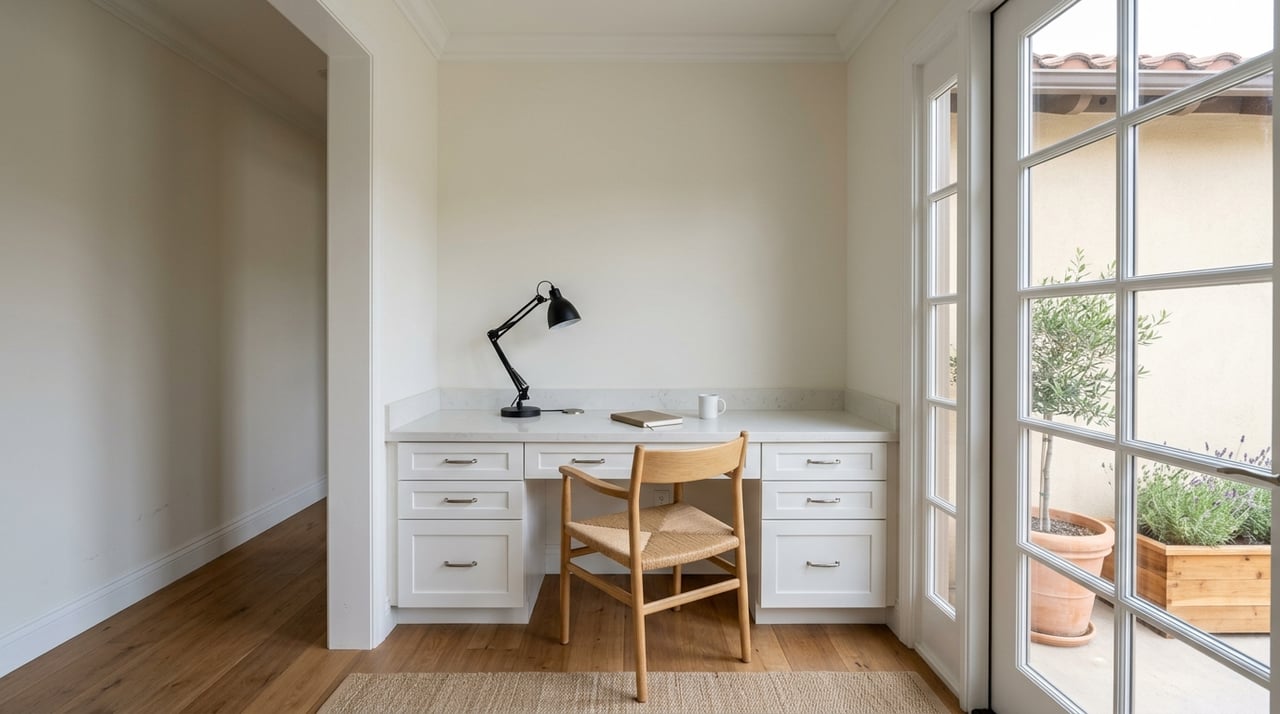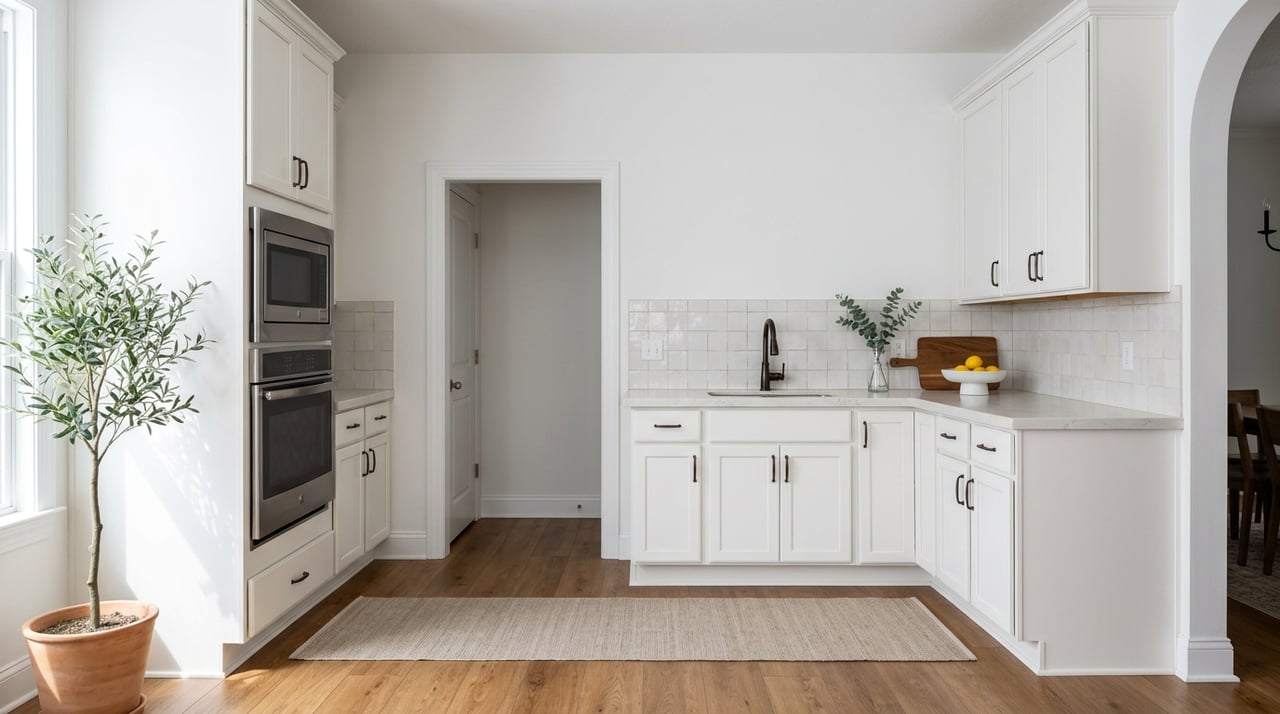
Thinking about selling your Hillcrest home but not sure where to start? You’re not alone. In 94531, buyers compare dozens of listings online before they ever book a showing, so how you prepare and present your home can make or break your results. In this guide, you’ll learn the exact steps to get market-ready in Hillcrest, how much to budget, and when to launch for the strongest first-week response. Let’s dive in.
What the 94531 market means for you
Zip-level data for 94531 shows a median listing price around $705,990 with a median price per square foot near $305 and roughly 70 days on market. That timeline tells you presentation and accurate pricing matter. Some homes move faster, and some take longer, depending on location, condition, and strategy.
Hillcrest and the surrounding micro-neighborhoods attract a mix of East Bay and Sacramento-area commuters, as well as local buyers. The Antioch BART station at Hillcrest Avenue expands your reach to a broader Bay Area audience, so strong online media and clear commute messaging can help you stand out. Learn more about the station on the official entry for the Antioch BART station.
Prep that moves the needle
Buyers decide quickly online. Research from NAR shows that photos, staging, videos, and virtual tours rank among the most important listing features for buyers. In fact, 81% of buyer’s agents said staging made it easier for clients to visualize a property as their future home. You do not need a full remodel to benefit.
First 10 actions to take
- Declutter, deep clean, and depersonalize.
- Neutral touch-up paint in scuffed or bold-tone areas.
- Bright, consistent light bulbs and working fixtures.
- Curb appeal refresh: mow, mulch, trim, and pressure wash.
- Front door update: fresh paint and clean hardware.
- Fix easy wins: leaky faucets, loose handles, squeaky doors.
- Style the living room, kitchen, and primary bedroom for photos.
- Organize closets and garage zones to look spacious.
- Replace tired rugs, shower curtains, and dated window treatments.
- Schedule a pre-photo walkthrough to catch last-minute details.
NAR’s staging research supports prioritizing these steps and focusing on the rooms that drive decisions. You can review the full findings in NAR’s 2023 Profile of Home Staging.
Small upgrades with strong resale impact
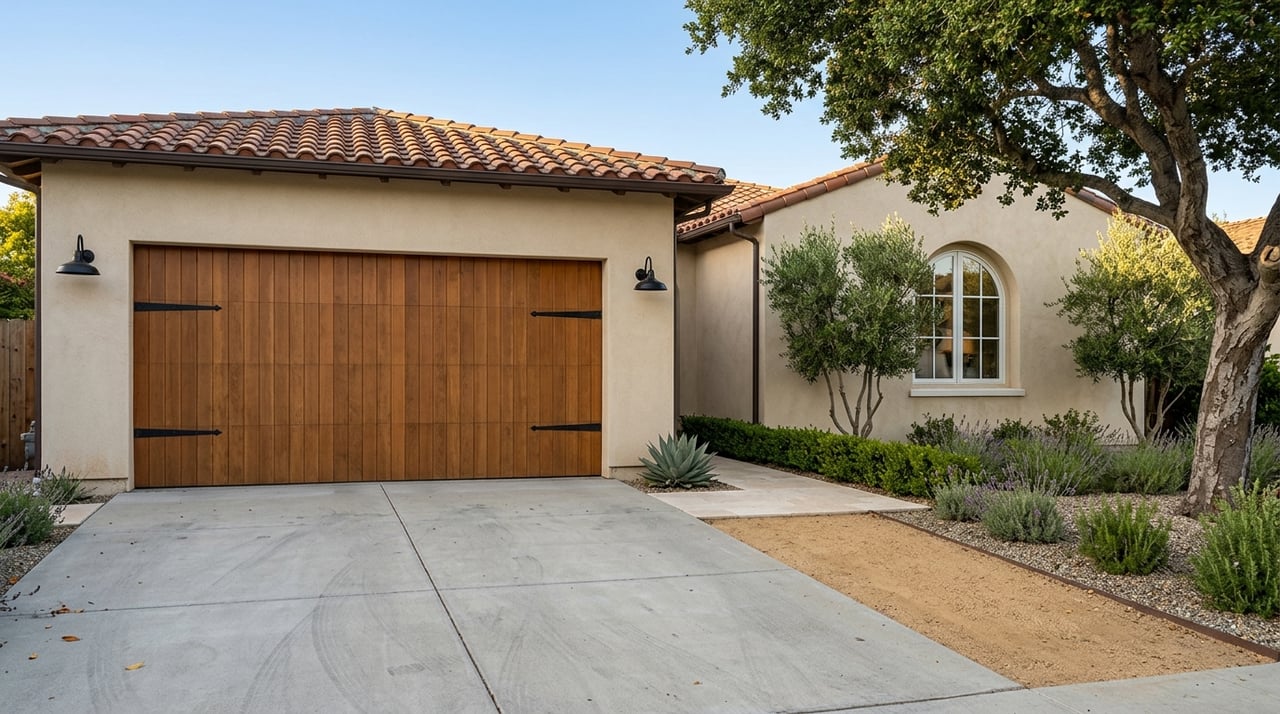
National Cost vs. Value reporting shows exterior and light-touch projects tend to recoup more than heavy remodels. Recent data highlights garage-door and steel entry-door replacements as top performers, with minor kitchen refreshes and exterior updates also ranking well. To see current national and regional figures, visit Remodeling Magazine’s Cost vs. Value Report.
When to skip big remodels
If you plan to sell within months, large-scope remodels often return less and take longer. Unless local comps clearly justify the spend, focus on presentation, targeted repairs, and high-impact cosmetics. Remodeling Magazine’s Cost vs. Value methodology supports starting with projects that buyers actually notice during first impressions.
Staging strategies for Hillcrest homes
Staging helps buyers understand space, scale, and flow. NAR research shows staged homes often shorten time on market and can influence offer amounts. You can scale staging to your budget.
Prioritize the right rooms
If you only stage a few areas, focus on the living room, primary bedroom, and kitchen. These spaces photograph beautifully and drive buyer sentiment. See NAR’s findings in the 2023 staging report.
What it can cost
- Light or occupied-home staging: Sellers commonly spend in the hundreds of dollars for targeted staging or agent-assisted styling, according to NAR’s report. Review the NAR staging profile for typical ranges and room priorities.
- Vacant-home staging: Project averages can land in the low-thousands for an initial period due to furniture rental and install. Industry groups like RESA discuss why vacant homes require more inventory. See RESA’s guidance on vacant-home staging expectations.
Tip: If the home is empty, consider staging only the hero rooms and using virtual staging on select secondary spaces to control costs.
Listing media that sells in 94531
Today’s buyers screen properties on their phones first. Richer media equals more qualified showings and better first-week momentum.
Must-have assets
- Professional interior and exterior photography
- Floor plan (2D or measured)
- Short walkthrough video (60 to 90 seconds)
- 3D tour (Matterport or similar)
These items are consistently rated as important by buyers. NAR summarizes this in the 2023 staging profile.
Typical production costs
Local pricing varies by vendor and square footage, but you can use these ballparks to plan:
- Pro photo package, 20 to 30 images: about $150 to $400. See ranges from industry providers like HomeJab’s pricing insights.
- Drone add-on for lots, vistas, or neighborhood context: about $100 to $300. Regional media firms like House of Pix outline common add-on pricing.
- 3D tour capture and hosting: about $150 to $500 depending on size and service.
- Walkthrough video: about $300 to $800 based on length and editing. See examples and tiers at House of Pix.
- Virtual staging: about $20 to $80 per image with reputable vendors such as BoxBrownie.
Research also shows listings with 3D tours often see higher online engagement and faster sales in measured samples, which can be especially valuable during your first 1 to 2 weeks on market.
The best production sequence
Finish high-impact repairs and style the hero rooms so your thumbnails shine. Check NAR’s room priorities.
Capture professional photography, including a twilight exterior for the cover image. See sample approaches at House of Pix.
Add a 3D tour and floor plan to help remote and commuter buyers self-qualify.
Produce a short walkthrough video and social edits to drive weekend traffic.
Label enhancements honestly
If you use virtual staging or image enhancement, label it clearly in your photos and in the MLS remarks. Transparent labeling preserves trust and aligns with MLS and industry best practices highlighted in NAR’s staging report.
Pricing, timing, and launch
Price to today’s comps
In 94531, where median days on market are measured in weeks, accurate pricing to the latest 30 to 90 day comps is crucial. Overpricing often leads to extended market time and eventual reductions. Work with a local CMA that includes recent solds and active competition to set your initial list price.
Pick the right week and day
Many sellers aim for late spring and early summer when buyer activity typically rises. If your schedule allows, list on a Thursday or Friday to capture weekend traffic. If you must sell at another time, a polished presentation and strong media plan can still deliver solid results.
Know “Coming Soon” rules
Contra Costa Association of REALTORS policy permits Coming Soon entries with specific limits on duration and syndication. Confirm how this status affects days on market and portal visibility before you rely on it. Review CCAR’s site for Coming Soon guidance and updates.
Disclosures and compliance for California sellers
California requires specific disclosures in most 1 to 4 unit residential sales. Prepare these early to reduce surprises and renegotiations. A helpful overview of common issues appears in this legal resource on California seller disclosures.
- Transfer Disclosure Statement and any applicable local or HOA documents
- Natural Hazard Disclosure if your property is in a mapped hazard area
- Lead-based paint disclosure for homes built before 1978
- Smoke and carbon monoxide detector compliance per local code
- Known roof, plumbing, structural, drainage, or system issues disclosed upfront
“As-is” language does not remove your duty to disclose known material facts. Talk with your agent about the full seller packet and optional pre-inspections that can improve buyer confidence.
A 3 to 4 week market-ready timeline
Week 0 to 1
- Meet with your listing agent and review a local CMA.
- Order the Natural Hazard Disclosure if applicable.
- Book a staging consult focused on 3 rooms.
- Begin declutter, repairs, and paint touch-ups.
Week 1 to 2
- Finish cosmetic upgrades: curb appeal, lighting, door hardware.
- Consider optional roof, sewer, or wood-destroying organism checks if you suspect issues.
- Confirm disclosure forms are in progress. See this overview of California disclosure topics.
Week 2 to 3
- Stage key rooms or prepare virtual staging plan. See NAR’s room priorities.
- Book media: photos, drone (if needed), 3D tour, floor plan, and video. For photography pricing context, review HomeJab’s guide.
Week 3 to 4
- Launch on a Thursday or Friday for weekend traffic.
- Monitor views, saves, and showing requests daily.
- Adjust pricing or marketing quickly if the first-week response is soft.
Quick seller checklist
- Confirm MLS paperwork and required disclosures are in motion.
- Declutter, deep clean, and depersonalize key areas.
- Repair visible defects and safety items.
- Stage the living room, kitchen, and primary bedroom.
- Book professional photos, 3D tour, floor plan, and a short video.
- Prepare social edits and a property highlight sheet for showings.
- Choose your listing day and understand Coming Soon rules.
Getting market-ready in Hillcrest is about strategy, not guesswork. Focus on the rooms buyers love, invest in the media that drives clicks and showings, and price to today’s comps. If you want a streamlined plan that covers listing, marketing, and lending under one roof, our team is here to help. Connect with E3 Realty to map your next steps and launch with confidence.
FAQs
Is staging really worth it for a Hillcrest home?
- NAR research shows staging helps buyers visualize and often shortens time on market. Light or occupied-home staging focused on a few rooms typically delivers strong value.
Which rooms should I stage if I have a tight budget?
- Prioritize the living room, primary bedroom, and kitchen, since buyers care most about these spaces and they photograph well.
Do 3D tours actually help homes sell faster?
- Studies of online listing performance show 3D tours boost views and saves and have been associated with faster sales in measured samples, especially in the first 1 to 2 weeks.
What small upgrades usually pay back best before listing?
- National Cost vs. Value data highlights garage-door and steel entry-door replacements, minor kitchen refreshes, and curb appeal improvements as consistently strong recoup categories.
How long does it take to get market-ready in 94531?
- Most sellers can prepare in 3 to 4 weeks with a focused plan: week 1 for repairs and declutter, week 2 for cosmetics, week 3 for staging and media, then launch in week 4.