Ever come to Santa Cruz for a weekend and think, Could I actually live like this every day? That question comes up often around the area many people casually call Sea Breeze, which aligns most closely with Seabright and East Cliff in city planning materials. If you are wondering what it really looks like to turn a beach escape into your full-time home base, this guide will walk you through the lifestyle, the tradeoffs, and what to think about before you buy. Let’s dive in.
Sea Breeze in Santa Cruz Means Seabright
If you are searching for “Sea Breeze” Santa Cruz, it helps to know that city and county materials do not identify an official neighborhood by that exact name. The closest official match is the Seabright and East Cliff coastal area, which the city describes as a distinct historic beachfront neighborhood with its own planning framework in the Seabright Area Plan.
That matters because this is not just a beach backdrop. According to Santa Cruz historic materials, Seabright began in the 1880s, was annexed into Santa Cruz in 1905, and developed as both a summer resort and a permanent residential district along Seabright Avenue. That mix of visitor energy and year-round living is still part of the area’s identity today.
Why Weekend Visitors Want More
The appeal is easy to understand. City materials describe East Cliff and Seabright as a mid-density coastal neighborhood with easy beach access, scenic views, residential streets, commercial corridors like Seabright Avenue and Soquel Avenue, harbor access, and nearby destinations such as the Santa Cruz Museum of Natural History area.
For a visitor, that usually feels like a perfect weekend rhythm. You can head to the beach, grab a meal, walk near the harbor, and enjoy the kind of laid-back routine that makes Santa Cruz memorable.
For a full-time resident, though, the real question is whether that rhythm still works on a Tuesday morning in February. In Seabright, the answer is yes, but it looks more practical and grounded than a vacation brochure.
What Daily Life Looks Like
Living here full time means the coast becomes part of your routine, not just your highlight reel. Official coastal planning documents describe Seabright and Twin Lakes Beach as a long public beach stretching from the mouth of the San Lorenzo River to the Santa Cruz Yacht Harbor, with access points from East Cliff Drive, Third Avenue, and the harbor side near Atlantic Avenue.
That gives you a lot of ways to use the area day to day. People come here for ocean viewing, walking, surf-fishing, surfing, swimming, and simple outdoor time. Instead of planning a special beach day, you may find yourself fitting in a quick shoreline walk before work or heading toward the harbor in the evening.
City planning materials also describe the neighborhood as active and varied, with residents and visitors including boaters, surfers, dog walkers, students, local families, and tourists. That mix helps explain why the area often feels lively even outside peak vacation windows.
Errands Feel Different Here
One of the biggest shifts from weekend guest to resident is that daily errands become part of a more walkable, beach-adjacent lifestyle. The area includes residential blocks as well as small business and commercial corridors, so you are not isolated in a purely residential pocket.
That layered setup is part of what makes Seabright feel livable year-round. The neighborhood is not only scenic. It also functions as a real part of the city, with homes, businesses, harbor activity, and community destinations all close together.
Outdoor Living Becomes Routine
Santa Cruz describes its climate as Mediterranean, with cool, wet winters and warm, dry summers. That supports an outdoors-oriented lifestyle, but it also comes with real coastal conditions. The city’s ocean-safety guidance notes that swells, currents, and wind can change quickly, which is an important part of living near the water full time.
In other words, the beach lifestyle is real, but so is the need for awareness. Full-time residents tend to enjoy the scenery with a more practical mindset than weekend visitors do.
Yes, People Live Here Year-Round
A common question is whether this area is mostly a vacation zone. The research points to a more balanced answer. City materials frame East Cliff and Seabright as a residential neighborhood with commercial corridors, a small business district, harbor access, and community institutions, not simply a tourist strip.
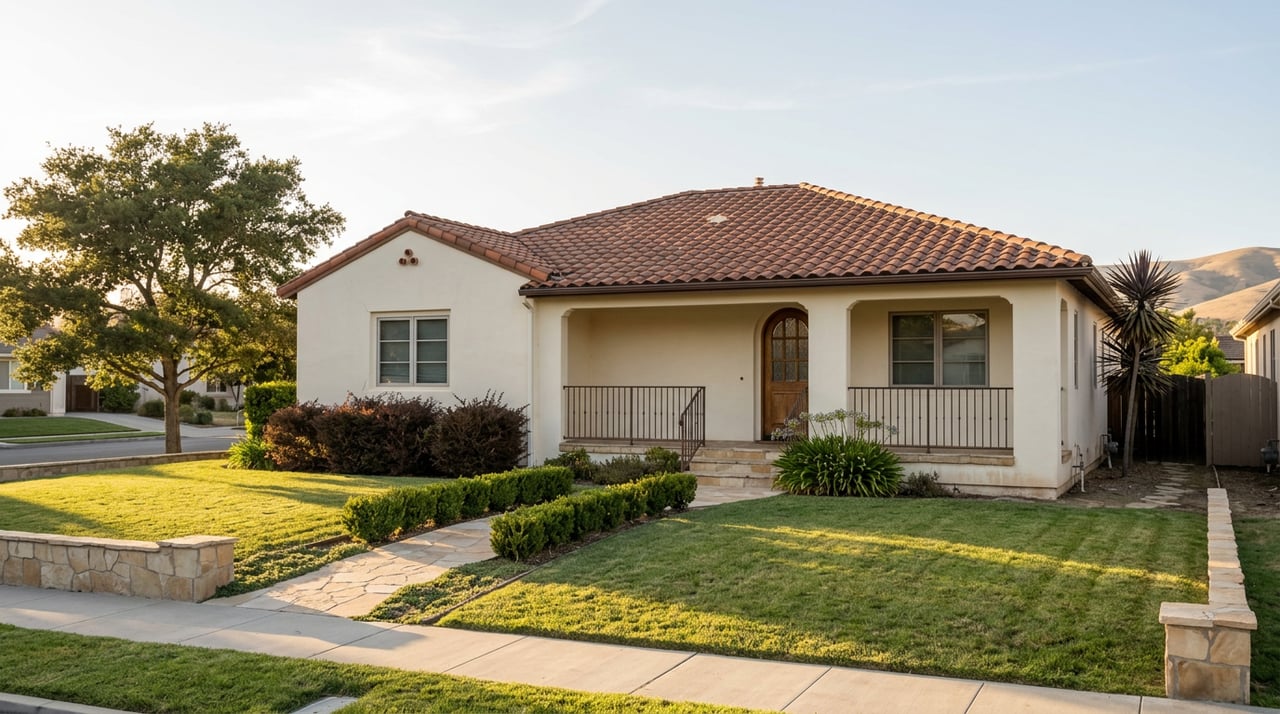
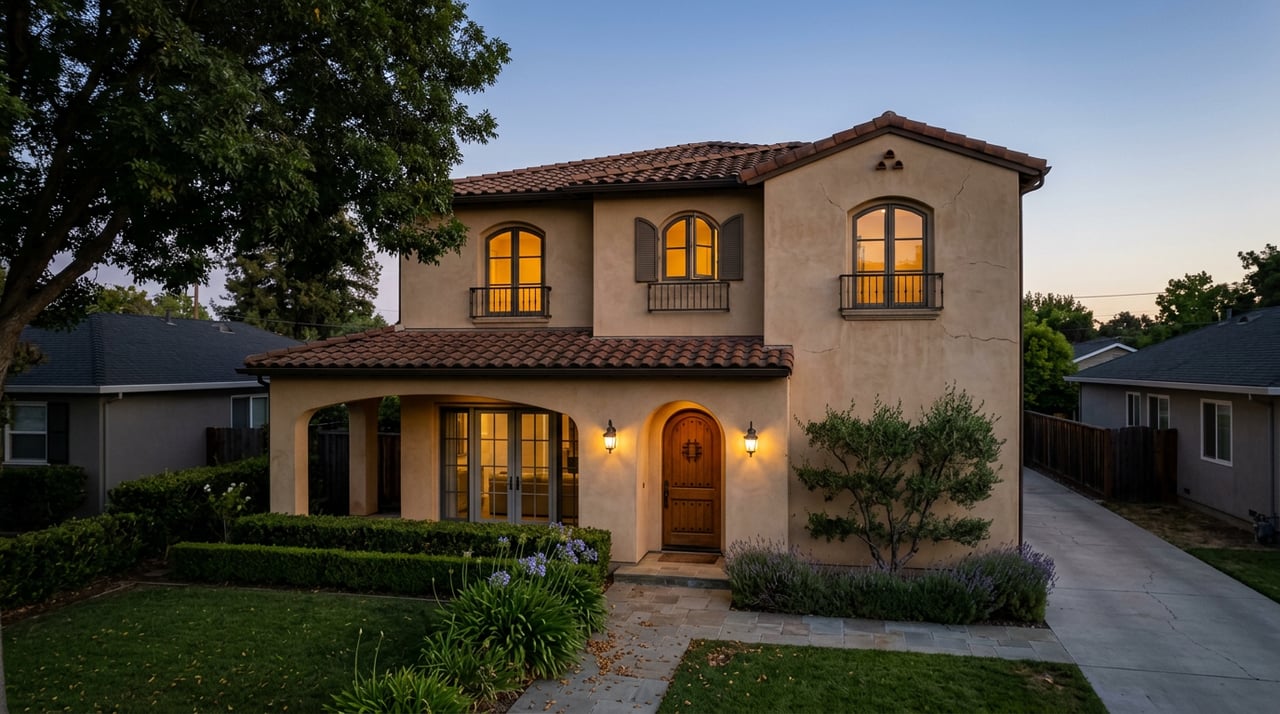
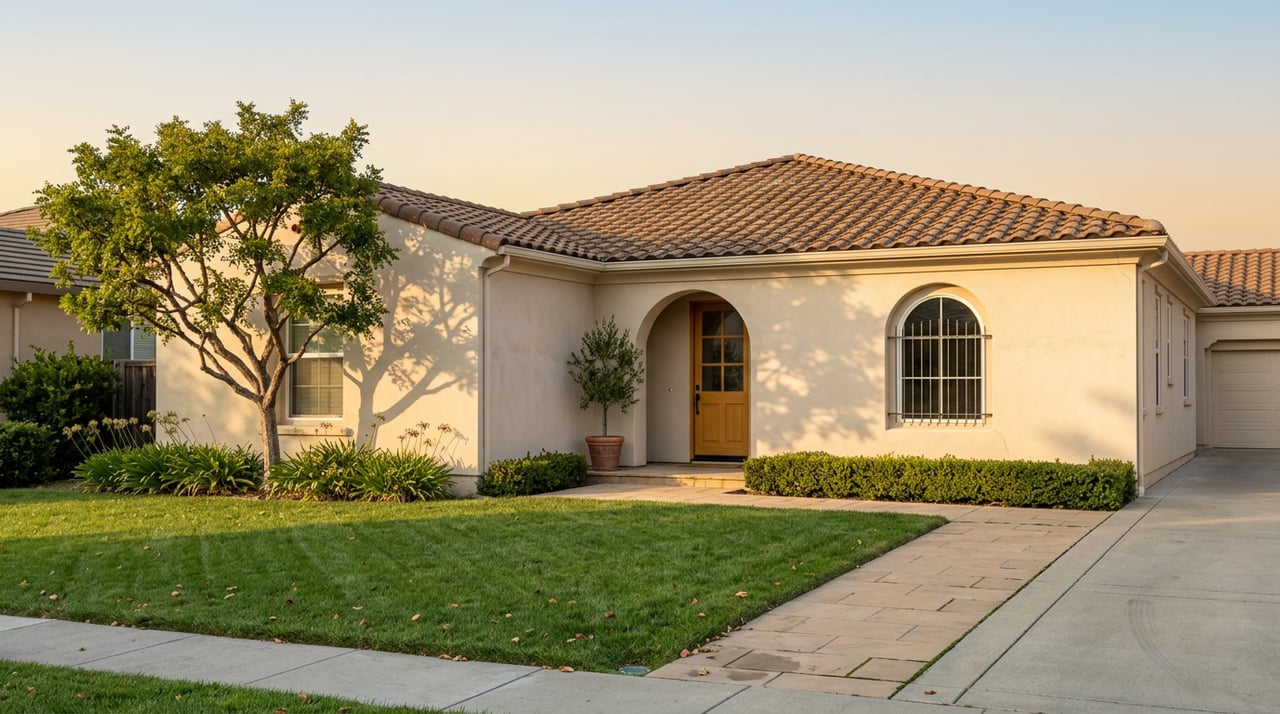
The housing stock also reflects that. Planning documents describe a mix of single-family homes, beach cottages, and multi-unit buildings, with both long-term homeowners and renters in the area. Compared with many inland neighborhoods, the housing pattern is more compact and more varied.
That can be a plus if you want options. It also means you should expect a setting that feels more coastal, layered, and space-conscious than a typical suburban neighborhood.
The Tradeoffs Are Real
The best way to think about Seabright is not as perfect, but as specific. The same features that make it attractive also create some of the main challenges of living here full time.
Parking and Crowds
If you live near the beach, you will feel the impact of visitors, especially in peak seasons and on sunny weekends. City and coastal planning documents note seasonal congestion, limited parking, and competition around public beach access. They also state that parking demand for Seabright and Twin Lakes Beach exceeds the available supply.
For some buyers, that is manageable. For others, it becomes one of the biggest quality-of-life factors to weigh before making a move.
Space and Property Layout
The area’s lot patterns and land uses can be different from what buyers expect inland. The Seabright Area Plan emphasizes preserving small-scale residential character, while city zoning maps show nearby residential, neighborhood commercial, mixed-use, and beach-residential designations.
That means the context around a home matters just as much as the home itself. Street parking, nearby activity, lot size, and how the property fits into a mixed coastal setting can all shape your day-to-day experience.
Long-Term Coastal Planning
Buying near the water also means paying attention to shoreline conditions over time. The city’s Resilient Coast Santa Cruz work is preparing shoreline adaptation plans for East Cliff and Seabright Beach over the next 20 to 30 years, and current planning documents reference erosion, stronger storms, and sea-level-rise planning.
That does not mean you should avoid the area. It means you should go in with open eyes and understand that coastal ownership includes both lifestyle benefits and resilience considerations.
Getting Around Without Driving Everywhere
One of the pleasant surprises for many buyers is that beach living here does not always mean constant car use. The county’s Coastal Rail Trail project is an approximately 4.2-mile ADA-accessible bike and pedestrian path connecting neighborhoods, beaches, parks, schools, and commercial areas.
The city also notes improved direct bike and pedestrian access between the Santa Cruz Beach Boardwalk, the Seabright neighborhood, the Riverwalk levee path, and downtown. If you like the idea of biking to everyday destinations or walking more often, that is a meaningful part of the local lifestyle.
During peak season, the Santa Cruzer shuttle offers a low-cost way to travel between downtown and the beach and wharf area on weekends and holidays. For residents, that can be a simple way to skip parking stress on busy days.
What Buyers Should Look For
If you are thinking about turning a weekend favorite into your home, focus on more than the listing photos. In a coastal area like Seabright, the details around the property can have a big effect on how well the home fits your routine.
Here are a few practical things to evaluate:
- Parking setup: Look closely at off-street parking and guest parking realities.
- Beach access: Consider how easy it is to walk or bike to the shoreline and whether that access fits your lifestyle.
- Street activity: Pay attention to traffic, visitor flow, and nearby commercial uses.
- Lot and zoning context: In a mixed-use coastal area, what is next door can matter a lot.
- Long-term flexibility: The city says ADUs are allowed in Santa Cruz on residential or mixed-use lots, depending on parcel conditions and local rules, which may offer future options for guest space, multigenerational living, or rental flexibility.
You should also keep the broader market in mind. Citywide benchmark data in the research report shows Santa Cruz home values and rents at premium levels, which helps explain why a move to the coast is often a lifestyle decision as much as a financial one.
From Vacation Mindset to Resident Mindset
The biggest shift is mental. When you visit for a weekend, you focus on the best hour of the day. When you live here full time, you start thinking about access, storage, parking, property upkeep, and how the neighborhood functions all year.
That is not a downside. It is actually what helps buyers make smarter decisions. Seabright works best for people who love the idea of coastal living but also appreciate the practical side of a compact, active, beach-adjacent neighborhood.
If that sounds like you, the move from weekend guest to full-time resident can feel surprisingly natural. And if you want help thinking through both the home search and the financing side of the move, E3 Realty can help you map out the next step with clear guidance and a straightforward plan.
FAQs
Is Sea Breeze an official Santa Cruz neighborhood name?
- No. Based on city and county materials, “Sea Breeze” does not appear to be an official Santa Cruz neighborhood name, and the closest official match is the Seabright and East Cliff area.
Can you live in Seabright Santa Cruz year-round?
- Yes. City materials describe Seabright and East Cliff as a real residential neighborhood with homes, commercial corridors, harbor access, and community destinations, not just a visitor area.
What is the biggest downside of living near Seabright Beach full time?
- The most consistent tradeoffs noted in city planning documents are seasonal congestion, limited parking, and crowding tied to beach access and tourism.
What types of homes are common in Seabright Santa Cruz?
- Planning materials describe a mix of single-family homes, beach cottages, and multi-unit buildings in a more compact coastal setting.
How do residents get around Seabright without driving everywhere?
- Residents can use bike and pedestrian connections like the Coastal Rail Trail, and during peak season the Santa Cruzer shuttle offers another option between downtown and beach areas.
What should buyers consider before buying near the Seabright coast?
- Buyers should look beyond the house itself and consider parking, beach access, surrounding land uses, lot size, and long-term shoreline planning factors.